Screw Drive Profiles: Torx, Hex, Phillips and Pozidriv — When to Use Each
A damaged screw head turns a two-minute job into half an hour. In most cases the cause is not a poor screw but a driver tip that does not precisely match the screw's profile.
1. Cam-Out — The Root of the Problem
When turning a Phillips screw at high torque, the driver tends to slip out of the head. This is not a defect — it was a deliberate design when Phillips was invented in the 1930s. Torque-controlled drivers did not exist then, so the head was designed to slip at a certain torque, preventing over-tightening and snapped heads. It was a clever solution for its era.
With modern torque-controlled electric drivers, that "solution" became a problem: slipping damages both the screw head and the driver tip. Hence newer profiles.
2. The Main Profiles
| Profile | Code | Key property | Common use |
|---|---|---|---|
| Phillips | PH | Slips at high torque | General work, electronics, furniture |
| Pozidriv | PZ | More contact, less slip | Electrical, breakers, European fittings |
| Torx | TX / T | Six lobes, highest torque transfer | Automotive, appliances, structural |
| Hex (Allen) | HX | Six flat contact faces | Furniture, machinery, set screws |
| Slotted | SL | Oldest and simplest | Terminals, traditional work |
Phillips vs Pozidriv
These look so similar that many use them interchangeably — a costly error. A PZ screw has four small additional ribs between the four main wings, forming what resembles an eight-point star; a PH screw has only four wings. Using a PH driver on a PZ screw gives partial contact, so the driver slips and ruins the head. In European distribution boards and breakers, assume PZ unless proven otherwise.
3. Torx — Why It Spread So Quickly
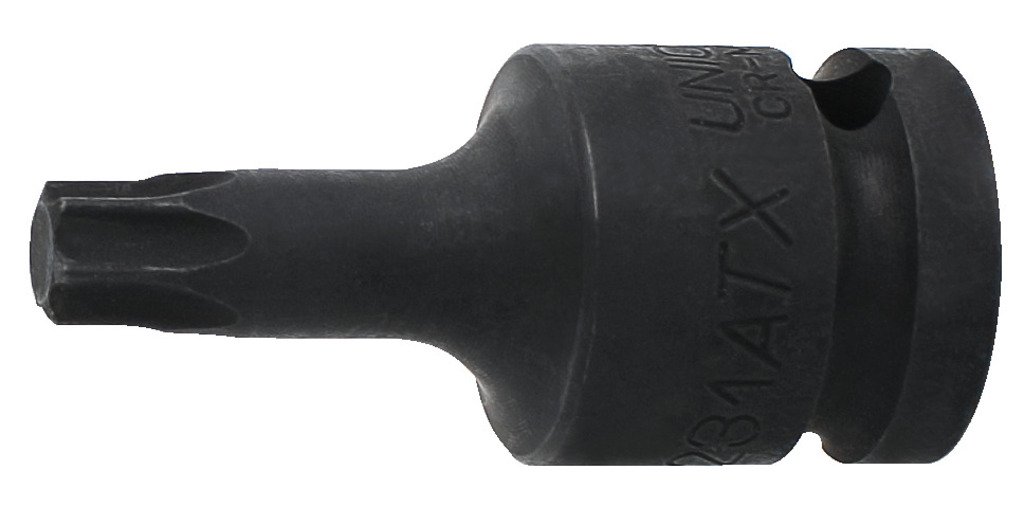
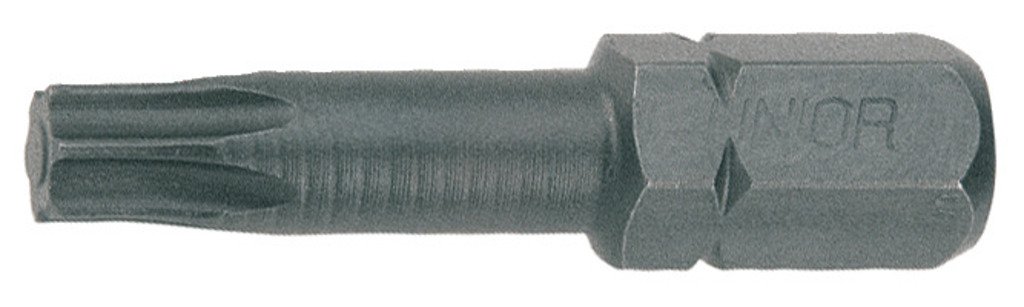
The six-lobe star profile solves cam-out at its root. The lobe flanks are almost perpendicular to the direction of rotation, so all torque transfers as rotation with no outward ejecting force.
- Clearly higher torque transfer than Phillips of the same size
- Longer life for both driver tip and screw head
- One-handed work, since the driver stays seated
- Well suited to high-torque electric drivers
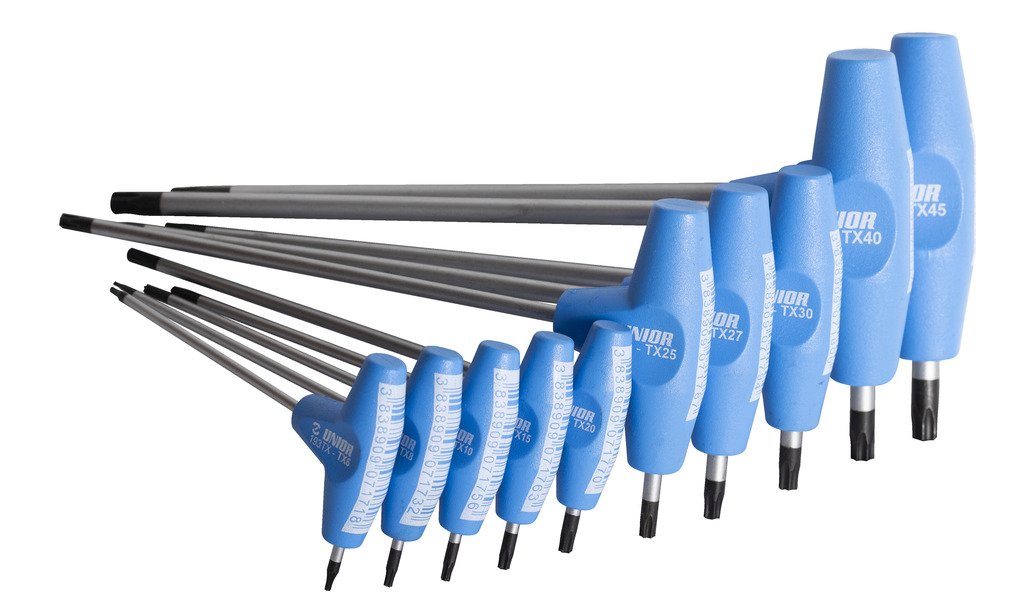
Sizes are numbered T or TX followed by a number: T6, T7, T8 for precision and electronics; T20, T25 for general work; T40 and above for structural applications. Locally, professional-tier Torx drill bits start around 5.00 JD for TX6 and about 5.50 JD for TX7, TX8 and TX9.
4. Hex (Allen) Keys and Sizing
The hex profile gives six flat contact faces — good torque transfer with simple manufacturing, which is why it dominates flat-pack furniture and machinery.
Its main pitfall is confusing metric and imperial. A 5 mm key looks almost identical to 3/16 inch, but the slight difference is enough to round the head gradually.
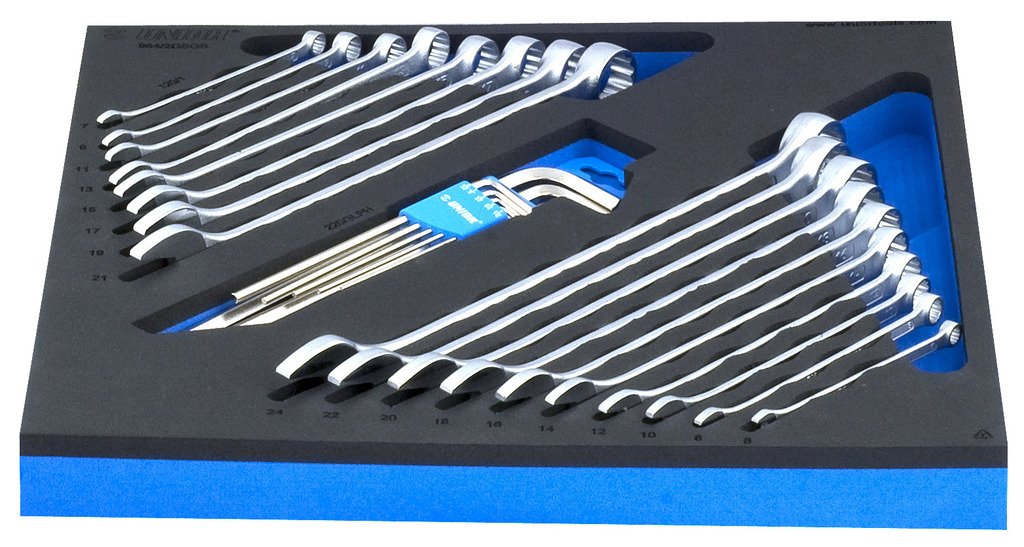
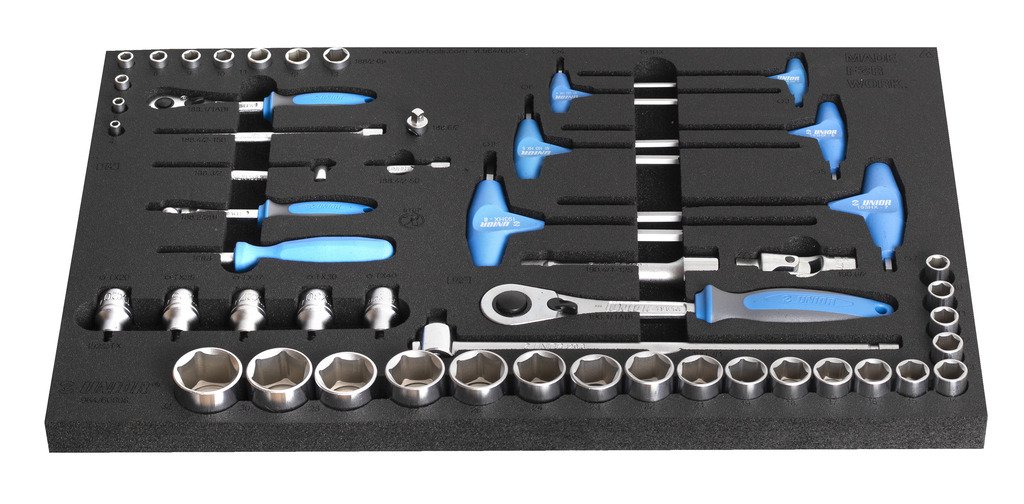
Hex and Torx key sets start around 2.50 JD for a 9-piece short or medium economy set and about 3.00 JD for the long version. Professional-tier hex drill bits start around 5.00 JD for 2.5 and 4.0 mm.
Short or long? Short sets work in tight spaces but offer a short torque arm. Long sets give more torque with less effort and reach recessed screws, but will not fit tight corners. Owning both is the practical answer.
5. Drill Bits and the C6.3 System
The C6.3 marking on drill bits indicates a standard 6.3 mm (1/4 inch) hex shank — the global standard for most electric drivers and bit holders. This standardisation means a bit from any maker fits any machine supporting the size, letting you choose bits on quality rather than brand.
Practical note: bits are consumables — they wear regardless of quality. But a poor bit damages the screw before it fails itself. A mid-range bit is more economical than always buying the cheapest.
6. Mistakes That Ruin Screw Heads
- Using too small a size. A PH1 driver on a PH2 screw contacts only at the edges and will round the head.
- Driving at an angle. The driver must be perfectly axial with the screw.
- Insufficient pressure. With Phillips especially, axial pressure is what prevents cam-out.
- Ignoring torque settings. Leaving a driver at maximum torque snaps small screw heads.
- Using a worn bit. A rounded bit damages every screw it touches. Replace it immediately.
7. Removing a Damaged Screw
- Rubber band. Place a wide rubber band between driver and head for extra friction — works in mild cases.
- Larger flat driver. Sometimes a flat blade can grip the remaining profile.
- Cut a new slot. Use a hacksaw to cut a straight slot, then use a flat driver.
- Screw extractor. The last resort — drills into the head and grips with a reverse thread.
8. Comparing Brand Tiers
Economy tier: brands such as FINDER offer hex and Torx sets from 2.50 JD — sensible for home use and rarely used sizes.
Professional tier: brands such as UNIOR use harder steel alloys that hold the profile edge longer. The difference shows under intensive powered use, where cheap bits wear quickly and begin damaging screws.
Global specialist tier: Wera, Wiha and Bosch are internationally recognised in bits and drivers, offering technologies such as anti-slip surface treatments.
Conclusion
- Check for the extra ribs to tell PH from PZ
- Use Torx for high-torque applications
- Confirm metric or imperial on hex keys
- Press axially while driving, especially with Phillips
- Replace worn bits before they ruin your screws
The right tool for the right head is the difference between an easy job and half an hour extracting a ruined screw.