Best Aluminum Ladders and Safety Rules for Using Them
Introduction: Why Choosing the Right Ladder Matters
The ladder is one of the most commonly used tools in homes, workshops, and construction sites alike. Yet accidents caused by improper ladder use or selecting the wrong type account for a significant percentage of workplace injuries worldwide. According to International Labour Organization statistics, falls from heights represent one of the top three causes of fatal workplace injuries, and faulty or improperly used ladders are behind a large portion of these incidents.
In Jordan, where construction work, home maintenance, and the installation of air conditioning and solar energy systems are widespread, the demand for high-quality aluminum ladders that combine lightness, durability, and safety continues to grow. In this comprehensive guide from ESCO, we will review the types of aluminum ladders available, how to choose the right ladder for your needs, and the most important safety rules to follow during use.
Why Aluminum? Advantages of Aluminum Ladders Compared to Other Materials
Ladders are available in several manufacturing materials, most notably aluminum, steel, wood, and fiberglass. Here are the key advantages of aluminum ladders that have made them the top choice for professionals and DIY enthusiasts:
- Lightweight: A three-section aluminum ladder measuring 3 meters weighs only about 8-12 kg, compared to 15-20 kg for a similar steel ladder. This makes transportation and storage significantly easier.
- Corrosion Resistance: Aluminum does not rust like steel, making it ideal for use in Jordanian weather conditions with varying humidity between dry summers and rainy winters.
- High Durability: Modern aluminum ladders are made from heat-treated aluminum alloys that can support weights up to 150 kg and more.
- Reasonable Cost: Aluminum ladders are less expensive than fiberglass ladders while delivering excellent performance in most applications.
- Easy Maintenance: They require no painting or special treatment and can simply be cleaned with soap and water.
Important Warning: Aluminum ladders conduct electricity, so they must never be used near power lines or when working on exposed electrical installations. In such cases, use insulated fiberglass ladders.
Types of Aluminum Ladders: A Comprehensive Guide to Each Type
1. Single Ladder
The simplest type of ladder, consisting of one fixed-length section. Available in lengths ranging from 2 to 6 meters, it is suitable for simple tasks such as window cleaning or wall painting. Prices in Jordan range from 15 to 45 JOD depending on length and quality.
2. Extension Ladder
Consists of two or three interlocking sections that can be extended to reach greater heights. A two-section ladder reaches an extended length of 6-8 meters, while a three-section model reaches 9-12 meters. Ideal for exterior facade work and roof maintenance. Prices range from 35 to 120 JOD.
3. Step Ladder
An A-shaped ladder that stands on its own without needing to lean against a wall. Available in heights from 3 to 8 steps, it is the most common type for household use and is frequently used in kitchens, storage rooms, and indoor electrical work. Prices start from 12 JOD for small sizes.
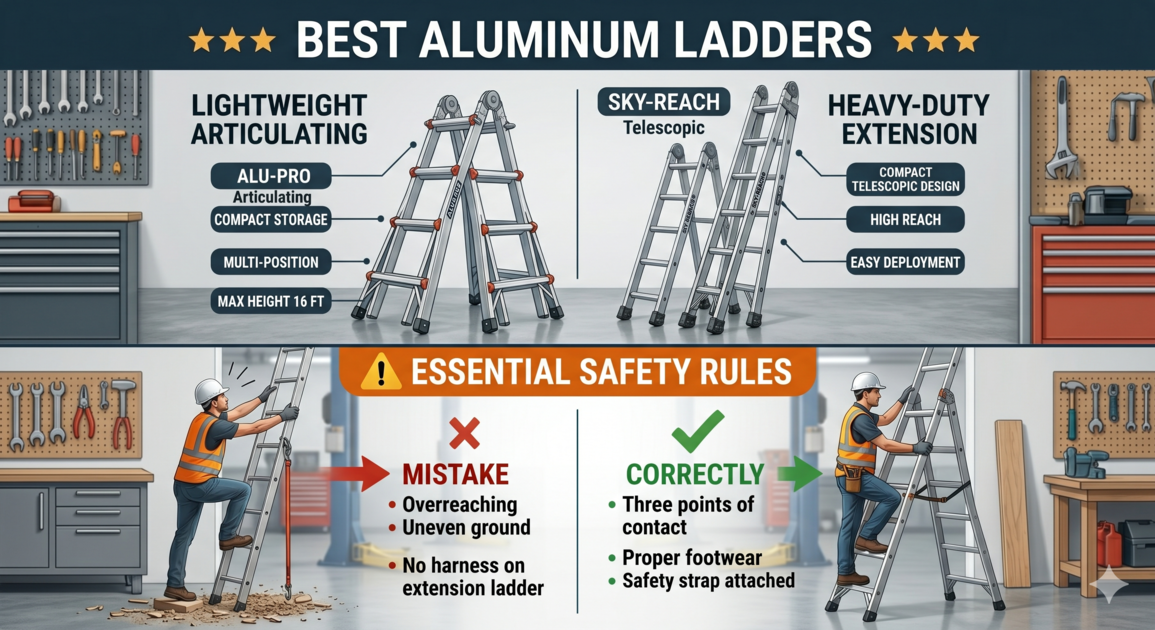
4. Multi-Position Ladder
This is the most versatile type, as it can be converted into several configurations: a single ladder, an A-frame ladder, a U-shape for working on stairs, or even a horizontal work scaffold. TOTAL and INGCO offer excellent models of this type at prices ranging from 45 to 90 JOD, available at ESCO showrooms.
5. Telescopic Ladder
An innovative ladder that folds down to a very compact size (approximately 75-85 cm), making it easy to store in a car trunk or small closet. It extends to reach 3.2-5 meters. Ideal for mobile technicians and maintenance service providers. Prices start from 55 JOD.
6. Scaffold Ladder / Platform Ladder
Combines a ladder with a work platform, providing a wide, level work surface with side safety rails. Ideal for painting and installations that require extended time at height. Models from Stanley and TOTAL are available at ESCO with prices starting from 70 JOD.
How to Choose the Right Ladder: 7 Essential Criteria
1. Determine the Required Height
The golden rule: choose a ladder that is at least one meter longer than the height you need to reach. If you need to work at a height of 4 meters, select a ladder at least 5 meters long. This ensures you never have to stand on the unsafe upper rungs.
2. Load Capacity (Duty Rating)
Ladders are classified according to their weight-bearing capacity:
- Type III - Light Duty: Supports up to 90 kg, suitable for light household use.
- Type II - Medium Duty: Supports up to 100 kg, for household and light commercial use.
- Type I - Heavy Duty: Supports up to 115 kg, for industrial and professional use.
- Type IA - Extra Heavy Duty: Supports up to 135 kg, for heavy industrial use.
- Type IAA - Special Duty: Supports up to 170 kg, for special applications.
Remember that the weight includes your body weight plus the weight of tools and equipment you are carrying.
3. Material Quality and Alloy Grade
Look for ladders made from 6061-T6 or 6005-T5 aluminum alloys, as these are the highest quality and most durable. Avoid cheap ladders made from non-heat-treated aluminum, as they may bend under load.
4. Foot Type and Ground Grip
Ensure the ladder is equipped with non-slip rubber feet. Some advanced models come with adjustable feet for working on uneven surfaces, which is a very useful feature at Jordanian construction sites.
5. Locking Mechanism
For extension and multi-position ladders, ensure the locking mechanism is sturdy and easy to use. Cast aluminum locks are better than plastic locks in terms of long-term durability.
6. Rung Width
Wider rungs (5 cm or more) provide better foot stability and greater comfort, especially when working for extended periods. Some platform ladders offer rungs with a width of 8-10 cm.
7. Certifications and Standards
Look for ladders certified to EN 131 European or ANSI A14.2 American standards. These standards ensure the ladder has undergone rigorous testing for load capacity, stability, and durability.
Best Aluminum Ladders Available at ESCO Jordan
INGCO Ladders for Professional and Home Use
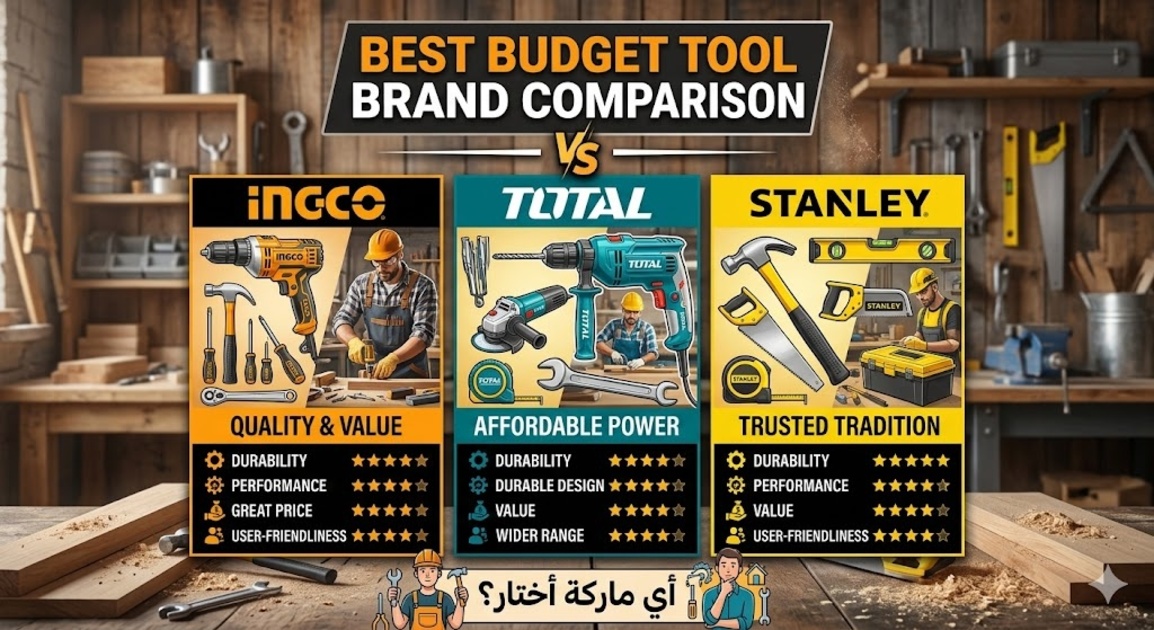
INGCO offers a wide range of aluminum ladders including single ladders, multi-position ladders, and telescopic models. INGCO ladders are known for their excellent quality-to-price ratio, making them the preferred choice for technicians and contractors in Jordan. Notable models include:
- INGCO 4x3 Multi-Position Ladder: Converts into 6 different positions, reaches a maximum height of 3.7 meters, and supports up to 150 kg.
- INGCO 3.2m Telescopic Ladder: Folds down to just 82 cm, ideal for moving between work sites.
TOTAL Budget-Friendly Ladders
TOTAL provides aluminum ladders at competitive prices while maintaining quality and safety standards. Suitable for household use and small projects. The range includes A-frame ladders from 4 to 8 steps and extension ladders.
Stanley Professional Ladders
Stanley is renowned for its durable ladders designed for heavy-duty use. They feature high-quality metal locks and wide non-slip rungs. An excellent choice for contractors and construction professionals who need ladders that last under tough working conditions.
FINDER Multi-Use Ladders
FINDER offers a range of household and professional ladders with practical designs and well-considered prices. Their A-frame ladders with an upper platform are very popular among homeowners in Jordan.
Essential Safety Rules When Using Ladders
Before Use: Inspection and Preparation
- Visually inspect the ladder before each use: Check for cracks, bending, loose rivets, or worn rungs. Any damage, no matter how minor, means the ladder should not be used until repaired or replaced.
- Ensure the rungs are clean: Remove any oils, grease, mud, or slippery materials from the rungs and side rails.
- Check the rubber feet: Make sure they are intact and firmly attached. Damaged rubber feet significantly increase the risk of slipping.
- Verify locking mechanisms: For extension and multi-position ladders, ensure all locks function properly and engage securely.
Setting Up the Ladder: Correct Positioning
- The 4-to-1 Rule: For every 4 meters of height, the base of the ladder should be 1 meter away from the wall. This angle (approximately 75 degrees) provides the best balance between stability and ease of climbing.
- Level and Solid Surface: Always place the ladder on a level, solid surface. Never place it on soft soil, wet tiles, or uneven ground without using a leveling base.
- Extension Above the Edge: When using a ladder to reach an elevated surface, the ladder should extend at least 1 meter above the edge to provide a safe handhold when climbing up and down.
- Securing the Ladder: Secure the top of the ladder with rope or a clamp if possible, place a heavy weight at its base, or have another person hold the base steady.
During Climbing and Working: Vital Rules
- Climb Facing the Ladder: Always climb up and down while facing the ladder, never with your back to it. Maintain three points of contact (two hands and one foot, or one hand and two feet) at all times.
- Do Not Stand on the Top Three Rungs: On single and extension ladders, never stand on the top three rungs. On A-frame step ladders, do not stand on the top two steps.
- The Belt Buckle Rule: Do not extend your body beyond arm's reach. If your belt buckle (waist) extends past the side rail of the ladder, you are leaning too far and must descend and reposition the ladder.
- One Person Only: No more than one person should be on the ladder at the same time unless it is specifically designed and rated for dual occupancy.
- Use a Tool Belt: Do not carry tools in your hands while climbing. Use a tool belt, backpack, or raise tools with a rope after reaching the required height.
- Avoid Working in Strong Winds: Do not use tall ladders in wind conditions exceeding 40 km/h. In Jordan, particular caution is advised during the Khamaseen season.
Storage and Maintenance
- Store the Ladder Horizontally: Long ladders should preferably be stored horizontally on wall-mounted brackets to prevent warping. Do not leave them exposed to direct sunlight for extended periods.
- Weather Protection: Although aluminum does not rust, joints and rivets may corrode. Store the ladder in a dry, protected location.
- Periodic Lubrication: Apply light silicone oil to sliding parts and locks every 3-6 months to maintain smooth operation.
- Do Not Repair It Yourself: If you find structural damage in the ladder, do not attempt to fix it with welding or binding. Replace the ladder with a new one -- your safety is priceless.
Common Mistakes to Avoid
1. Using the Ladder as a Horizontal Scaffold
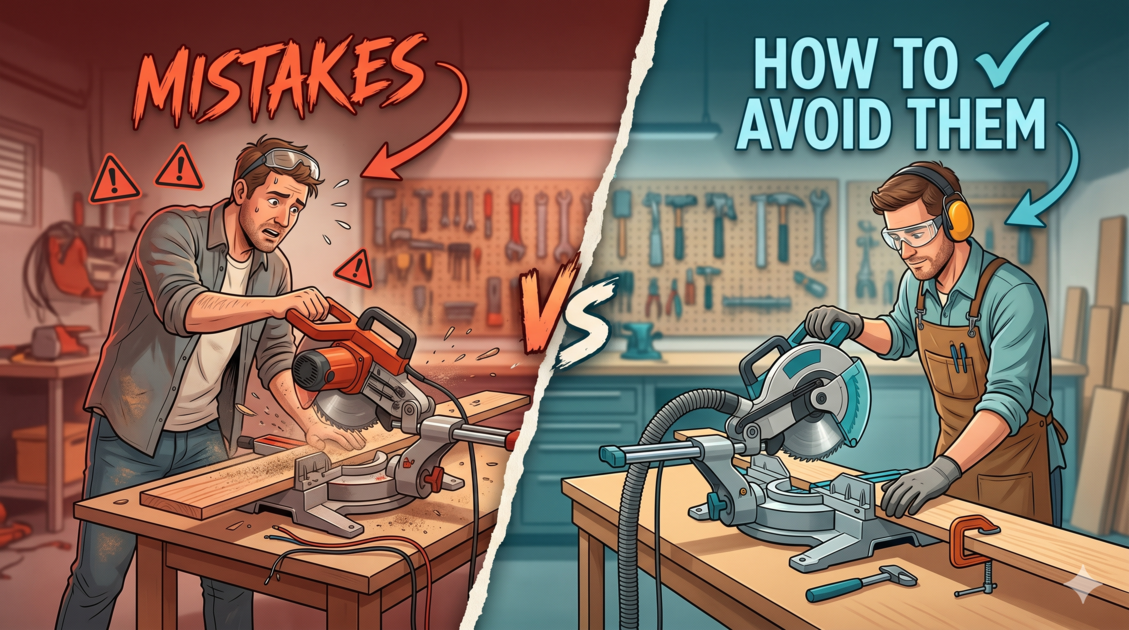
Some workers place a wooden plank between two ladders as a makeshift scaffold. This is extremely dangerous because ladders are not designed to bear lateral loads. Use a proper scaffold or a dedicated platform ladder instead.
2. Placing the Ladder in Front of a Door
Never place a ladder in front of a door that could be opened toward you unless the door is locked or guarded from the other side. A suddenly opening door can knock the ladder over.
3. Standing on a Bucket or Box to Extend Height
If the ladder does not reach the required height, use a taller ladder. Never place a ladder on top of a table, box, or another ladder.
4. Neglecting Ladder Inspection
Many accidents occur due to using damaged ladders. Dedicate two minutes before each use to visually and functionally inspect the ladder.
5. Using an Aluminum Ladder Near Electricity
As mentioned, aluminum is an excellent conductor of electricity. When working near power lines or exposed electrical panels, use an insulated fiberglass ladder. These ladders are available at ESCO in various types and sizes.
Complementary Safety Equipment for Working on Ladders
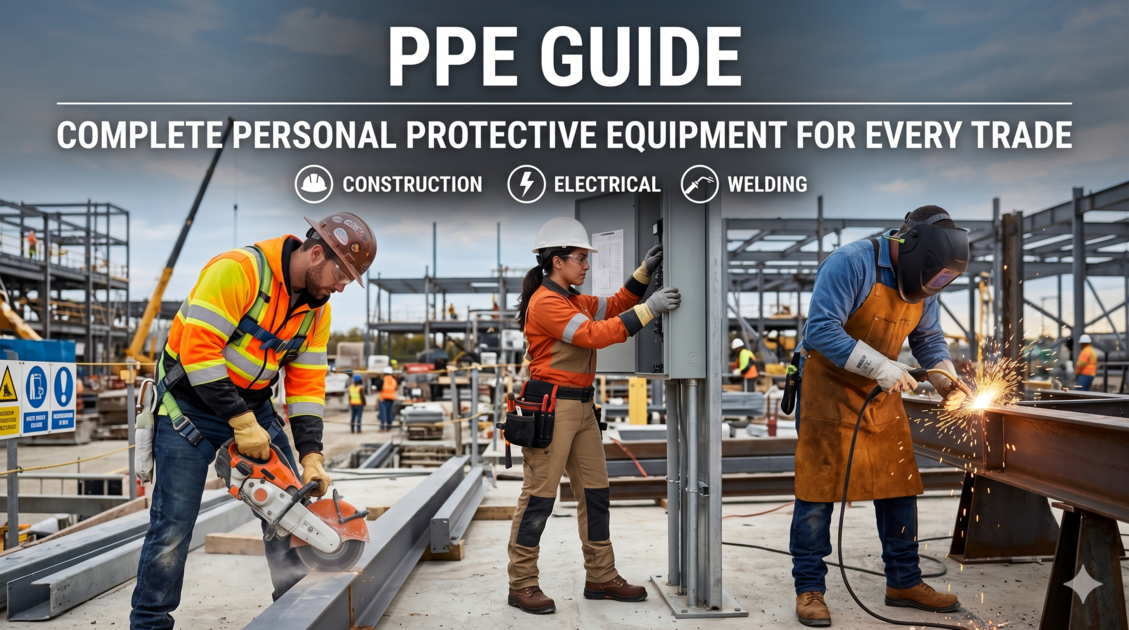
In addition to choosing the right ladder and following usage rules, there is additional safety equipment that is recommended:
- Safety Harness: Essential when working at heights exceeding 3 meters. It connects to a fixed anchor point and prevents free falls.
- Safety Helmet: Protects the head from falling objects and impacts. INGCO and TOTAL brands offer helmets meeting international standards.
- Non-Slip Safety Shoes: Shoes with rough rubber soles provide excellent grip on ladder rungs.
- Work Gloves: Protect hands and improve grip on the ladder's side rails.
- Tool Belt: Frees your hands during climbing and working, keeping three points of contact available at all times.
All of these safety items are available at ESCO showrooms in Amman and across Jordanian governorates, or through their online store at esco.jo.
Special Considerations for Jordanian Climate Conditions
When using ladders in Jordan, several local factors should be taken into account:
- Extreme Summer Heat: Aluminum ladder rails can become extremely hot under direct sunlight during Jordanian summers (where temperatures exceed 40 degrees Celsius). Wear gloves or leave the ladder in the shade before use.
- Sandy and Dusty Surfaces: Many work sites in Jordan have sandy or dusty ground. Use wide wooden boards under the ladder feet to distribute weight and prevent sinking.
- Humidity in the Jordan Valley: In high-humidity areas such as the Jordan Valley, the chance of slipping increases. Ensure the rungs are clean and dry before climbing.
- Khamaseen Winds: During the Khamaseen season (April-May), avoid using tall ladders in exposed areas due to strong dust-laden winds.
Buying Tips from ESCO
When purchasing a new aluminum ladder from ESCO, here are some practical tips:
- Define Your Primary Use: Will you use the ladder at home only? Or at a work site? Do you need it for indoor or outdoor tasks? This determines the appropriate type and size.
- Measure Your Available Storage Space: If storage space is limited, consider telescopic or folding ladders.
- Do Not Skimp on Safety: A cheap ladder may cost you more in the long run. Invest in a ladder from a well-known brand like INGCO, TOTAL, or Stanley.
- Ask for Advice: The specialized ESCO team can help you choose the right ladder for your needs and budget.
- Check the Warranty: Quality ladders typically come with a warranty of at least one year. Make sure to understand the warranty terms before purchasing.
Conclusion
Choosing the right aluminum ladder and following safety rules is not a luxury but a necessity that protects your life and ensures work is completed efficiently and safely. Whether you are a homeowner performing simple maintenance tasks or a professional contractor working on large projects, investing in a high-quality ladder from ESCO while adhering to the safety rules outlined in this guide will keep you safe and extend the life of your equipment.
Visit your nearest ESCO branch in Jordan or browse the online store at esco.jo to explore the latest collection of aluminum ladders and safety equipment at competitive prices with genuine warranties.